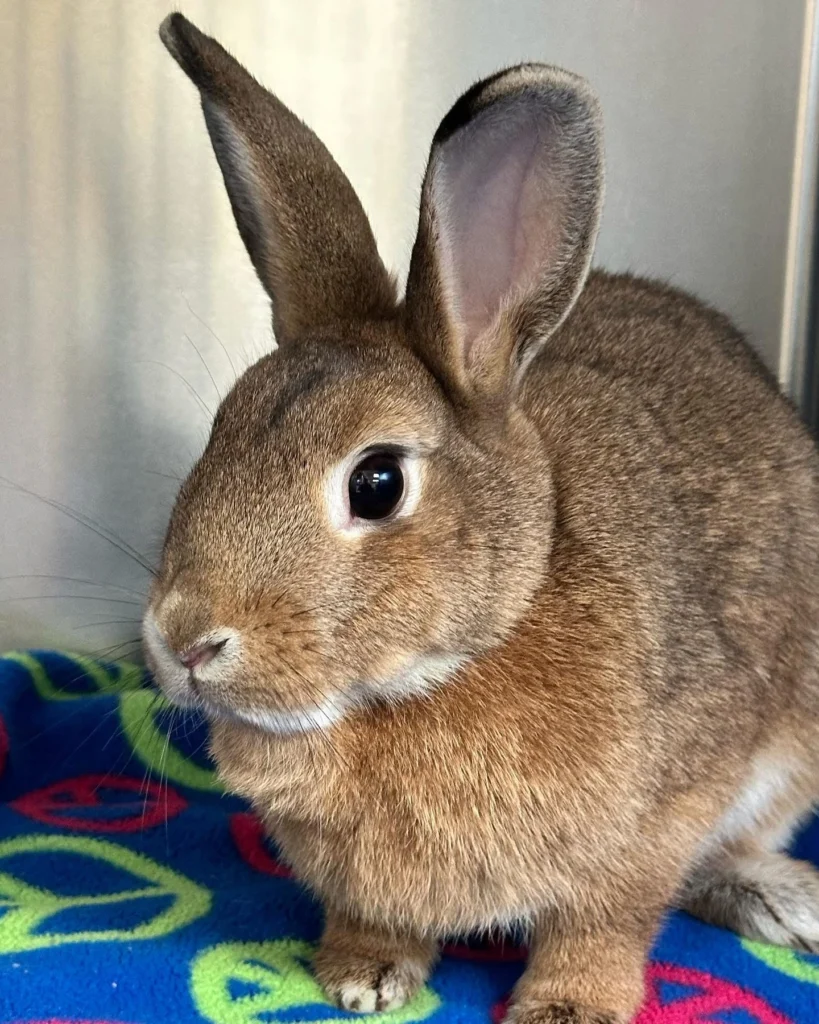
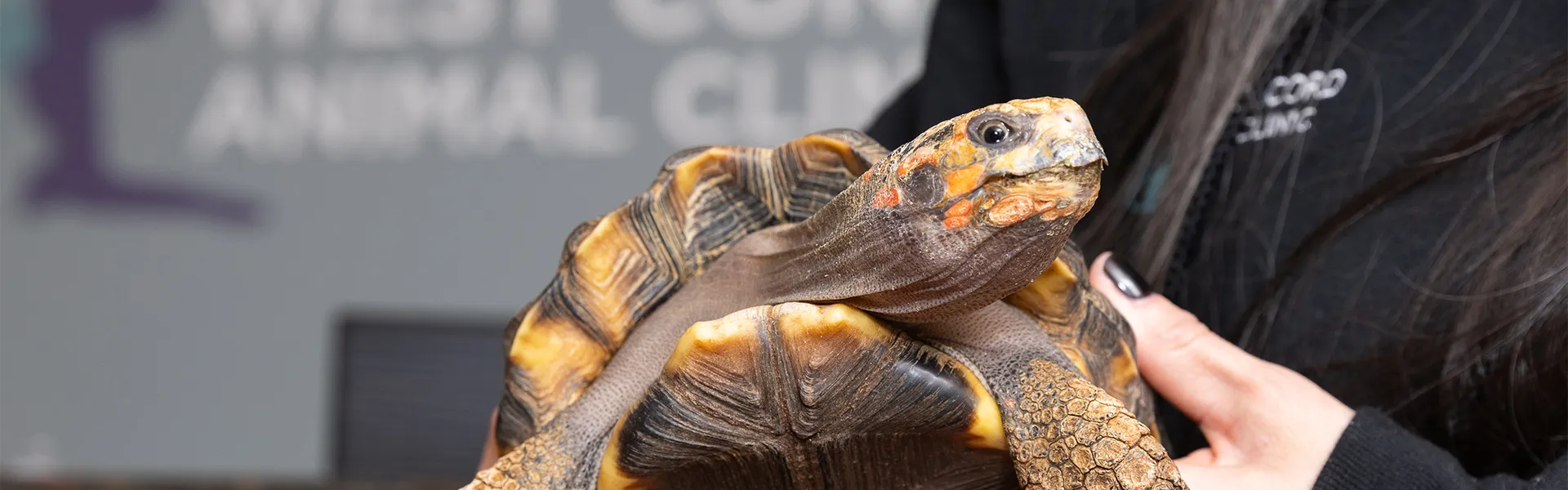
Dogs and cats are not the only pets that benefit from routine veterinary care. Many families in Concord, MA and surrounding towns such as Acton, Carlisle, Bedford, Sudbury, and Lincoln share their homes with rabbits, guinea pigs, birds, and other small animals. These pets are often called exotic pets, and they have unique health needs that require specialized care.
One of the most common questions exotic pet owners ask is whether their pets actually need routine veterinary checkups. The answer is yes. Regular exams with an experienced exotic pet vet in Concord MA can help detect health problems early and ensure your pet lives a long, healthy life.
At West Concord Animal Clinic, our veterinary team provides care for a variety of species, including rabbits, guinea pigs, birds, and other small animals. Routine exams with an exotic pet veterinarian help identify potential health issues before they become serious.
Why Exotic Pets Still Need Routine Veterinary Care
Many exotic pets are prey animals, which means they naturally hide signs of illness. In the wild, showing weakness can make them vulnerable to predators. Because of this instinct, rabbits, guinea pigs, and birds often appear normal until a health problem becomes advanced.
Routine veterinary checkups help veterinarians identify subtle changes that owners may not notice at home.
During a visit with one of our veterinarians, the exam may include:
- Weight and body condition evaluation
- Examination of the eyes, ears, and skin
- Dental assessment
- Review of diet and nutrition
- Behavioral and environmental guidance
These routine visits help detect health problems early, when they are usually easier to treat.
Rabbit Veterinary Care
Rabbits are intelligent and social pets, but they also have very specialized medical needs. One of the most important aspects of rabbit health is their dental system. Rabbit teeth grow continuously throughout their lives, which means dental problems can develop if teeth do not wear down properly.
A rabbit vet may evaluate:
- Tooth alignment and wear
- Signs of overgrown teeth
- Jaw swelling or drooling
- Eating habits and weight changes
Veterinary dental care is extremely important for rabbits because dental disease can interfere with eating and digestion. During routine exams, veterinarians can detect early dental problems and recommend treatment before they become severe.
Proper diet also plays a key role in rabbit health. A diet rich in hay helps wear down teeth naturally and supports digestive health.
Guinea Pig Veterinary Care
Guinea pigs are gentle and affectionate pets, but they also require regular medical care.
Guinea pigs share some similarities with rabbits, including continuously growing teeth. Dental problems can lead to difficulty eating, weight loss, and digestive issues.
A guinea pig vet will typically evaluate:
- Teeth and jaw alignment
- Skin and coat condition
- Weight and body condition
- Signs of respiratory disease
Guinea pigs are also prone to vitamin C deficiency, which can lead to serious health issues. A veterinarian may discuss diet and supplementation during routine visits.
Because guinea pigs are sensitive to illness, regular exams can help catch problems early.
Bird Veterinary Care
Birds have unique anatomy and physiology that requires care from a trained bird veterinarian. Like other exotic pets, birds often hide symptoms of illness until the condition becomes severe.
During a routine bird exam, veterinarians may evaluate:
- Feather condition
- Beak and nail health
- Respiratory system
- Weight and muscle condition
- Behavior and activity levels
Birds may also develop nutritional imbalances, especially if they are fed seed-heavy diets. Your veterinarian can help recommend a balanced diet appropriate for your bird’s species.
Routine exams can also detect signs of infection, parasites, or metabolic disease.
Signs Your Exotic Pet Should See a Veterinarian
Because exotic pets often hide illness, small changes in behavior can signal a health problem.
Contact a veterinarian if you notice:
- Reduced appetite or refusal to eat
- Weight loss
- Changes in droppings
- Lethargy or reduced activity
- Difficulty breathing
- Drooling or difficulty chewing
- Changes in behavior
These symptoms should never be ignored, as exotic pets can decline quickly when they become sick.
Scheduling a pet wellness exam allows your veterinarian to evaluate your pet’s condition and determine if treatment is needed.
Preventive Care for Exotic Pets
Preventive care is just as important for rabbits, guinea pigs, and birds as it is for dogs and cats.
Key aspects of preventive care include:
- Proper diet and nutrition
- Clean and spacious housing
- Regular exercise and enrichment
- Routine veterinary checkups
- Monitoring weight and behavior
Unlike dogs and cats, many exotic pets do not routinely receive pet vaccinations in the United States. However, regular veterinary exams remain essential for maintaining health.
For households that also have dogs or cats, maintaining routine pet vaccinations and dental care helps ensure every pet in the home receives proper preventive care.
Choosing an Experienced Exotic Pet Veterinarian
Not all veterinary clinics treat exotic species. Rabbits, guinea pigs, and birds have unique anatomy and medical needs that require specialized knowledge.
When choosing an exotic pet veterinarian, it is important to look for a clinic that has experience with small mammals and birds.
At West Concord Animal Clinic, our veterinary team provides compassionate care for a variety of species. Pet owners throughout Concord, Acton, Carlisle, Bedford, and Sudbury trust our clinic for preventive care, diagnostics, and treatment.
Whether your pet needs a routine wellness exam, dental evaluation, or treatment for illness, our team is here to help.
Frequently Asked Questions About Exotic Pet Veterinary Care
Do rabbits, guinea pigs, and birds need annual vet visits?
Yes. Most exotic pets benefit from annual veterinary exams to monitor weight, dental health, and overall condition.
Do exotic pets need vaccinations?
Many exotic pets do not require routine vaccinations in the United States. However, regular exams with a veterinarian are still important.
How can I tell if my exotic pet is sick?
Exotic pets often hide illness. Signs such as reduced appetite, weight loss, or behavior changes should be evaluated by a veterinarian.
How long do rabbits and guinea pigs live?
Rabbits often live 8 to 12 years with proper care, while guinea pigs typically live 5 to 7 years.
What should exotic pets eat?
Diet varies by species, but most rabbits and guinea pigs require hay, fresh vegetables, and limited pellets. Birds require species-specific diets that may include pellets, vegetables, and seeds in moderation.
When to Schedule a Visit with a Veterinarian
If your rabbit, guinea pig, or bird shows changes in appetite, behavior, or energy level, it is important to schedule a veterinary visit as soon as possible. Early evaluation can make a significant difference in treatment outcomes.
Routine wellness exams also help prevent many health problems before they become serious.
For pet owners in Concord, MA and nearby communities such as Acton, Carlisle, Bedford, Sudbury, and Lincoln, West Concord Animal Clinic offers compassionate care for exotic pets. Our experienced exotic pet veterinarian can help ensure your rabbit, guinea pig, or bird receives the specialized care they need.
If you are looking for an experienced exotic pet vet in Concord MA, contact West Concord Animal Clinic to schedule an appointment and keep your pet healthy.