
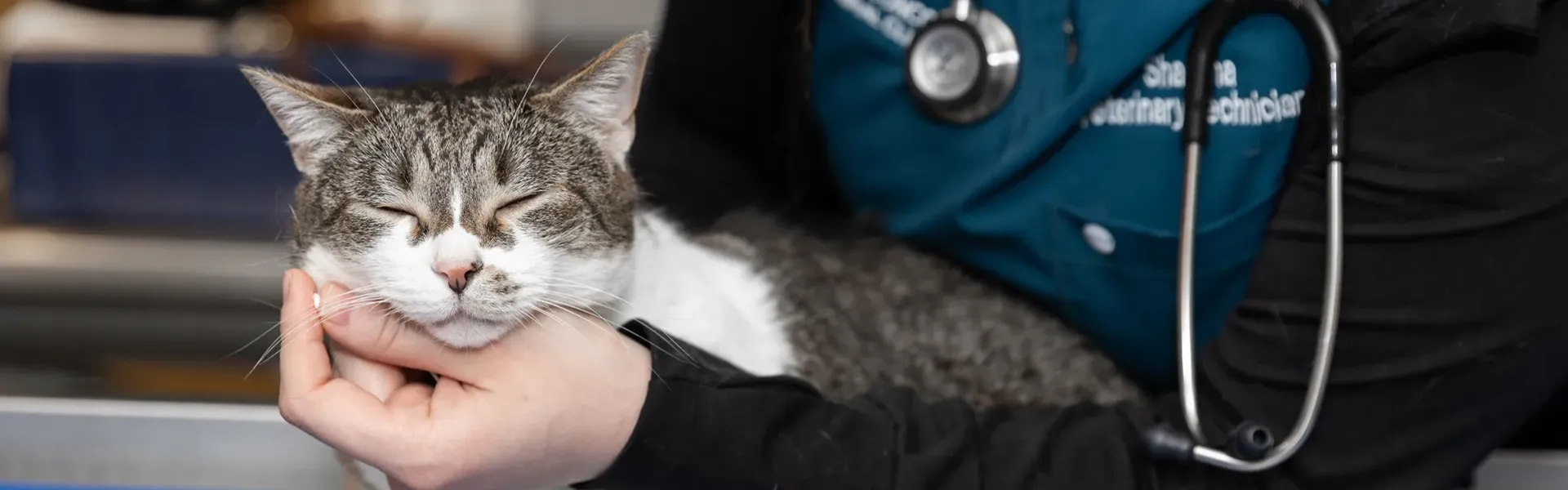
Vaccinations are one of the most important ways to protect your pet’s health. Whether you have a new puppy, a playful kitten, or an adult pet, vaccines help prevent serious and sometimes life-threatening diseases. However, many pet owners are unsure which vaccines are truly necessary and how often their pets need them.
For families in Concord, MA and nearby communities like Acton, Carlisle, Bedford, Sudbury, and Lincoln, understanding your pet’s vaccination schedule can help ensure they stay healthy for years to come.
At West Concord Animal Clinic, our veterinarians Dr. Cole, Dr. Hailey Miller and Dr. Michael Avery work with pet owners to develop personalized vaccination plans based on each pet’s lifestyle, age, and health history. A thoughtful vaccination schedule helps protect your pet while avoiding unnecessary treatments.
Why Pet Vaccinations Are Important
Vaccines protect pets by training their immune systems to recognize and fight dangerous diseases. When a vaccinated pet is exposed to a virus or bacteria, their body can respond quickly and prevent severe illness.
Vaccination is especially important because many contagious diseases spread easily between animals.
Some infections prevented by pet vaccinations include:
- Rabies
- Distemper
- Parvovirus
- Feline leukemia
- Feline panleukopenia
Many of these diseases are difficult or impossible to treat once symptoms appear. Vaccination helps prevent infection before it happens.
Routine vaccines are typically administered during a pet wellness exam, allowing your veterinarian to evaluate your pet’s overall health at the same time.
Core vs. Lifestyle Vaccines
Veterinarians typically divide vaccines into two categories: core vaccines and non-core vaccines.
Core Vaccines
Core vaccines are recommended for nearly all dogs and cats because the diseases they prevent are widespread and potentially severe.
For dogs, core vaccines usually include:
- Rabies
- Distemper
- Parvovirus
- Adenovirus (canine hepatitis)
For cats, core vaccines typically include:
- Rabies
- Feline viral rhinotracheitis
- Calicivirus
- Panleukopenia
These vaccines are considered essential for protecting pets and are commonly required by law or local regulations.
Lifestyle Vaccines
Lifestyle vaccines are recommended depending on your pet’s environment and activities.
For dogs, these may include:
- Bordetella (kennel cough)
- Lyme disease
- Leptospirosis
- Canine influenza
For cats, lifestyle vaccines may include:
- Feline leukemia virus (FeLV)
One of our doctors will recommend the best vaccines based on your pet’s exposure risk, travel habits, and outdoor activity.
Puppy Vaccinations: Building Early Protection
Puppies are especially vulnerable to infectious diseases because their immune systems are still developing.
Most puppies begin their vaccination schedule between 6 and 8 weeks of age. Because maternal antibodies gradually fade, puppies require a series of vaccinations to ensure full protection.
A typical puppy vaccination schedule includes:
- 6 to 8 weeks: First combination vaccine
- 10 to 12 weeks: Booster vaccination
- 14 to 16 weeks: Final booster
- 12 to 16 weeks: Rabies vaccination
Additional vaccines may be recommended depending on the puppy’s environment.
Puppy vaccinations are a critical part of early preventive care and help protect dogs during their most vulnerable stage of life.
Kitten Vaccinations: Protecting Young Cats
Like puppies, kittens require a series of vaccines during their early months.
Kitten vaccinations typically begin around 6 to 8 weeks of age and continue until about 16 weeks.
Common kitten vaccines include:
- FVRCP (protects against rhinotracheitis, calicivirus, and panleukopenia)
- Rabies vaccine
- Feline leukemia vaccine for at-risk cats
Even indoor cats can benefit from vaccination because viruses can enter homes on clothing, shoes, or through contact with other animals.
A veterinarian in Concord MA can help determine the best vaccine schedule for your kitten.
Do Adult Pets Still Need Vaccines?
Yes. Adult dogs and cats require booster vaccines to maintain protection against disease.
Some vaccines are given annually, while others may last for several years depending on the type of vaccine and your pet’s health status.
During routine visits, your veterinarian will review your pet’s vaccination history and recommend updates as needed.
These visits are also a good time to evaluate other aspects of preventive care, including parasite prevention, nutrition, and dental health. Maintaining veterinary dental care and scheduling periodic pet dental cleaning can help prevent dental disease as pets age.
Vaccination and Local Disease Risks in Massachusetts
Certain diseases are more common in specific regions, which influences vaccination recommendations.
In Massachusetts, veterinarians often recommend vaccines that protect against:
- Lyme disease, due to the high number of ticks in the region
- Leptospirosis, which can spread through contaminated water and wildlife exposure
- Rabies, which remains present in wildlife populations
Pet owners in Concord, Acton, Carlisle, Bedford, and Sudbury often enjoy outdoor activities with their dogs, making protection against these diseases particularly important.
Your veterinarian can help tailor a vaccine plan based on your pet’s lifestyle.
What to Expect During a Vaccination Appointment
Vaccination visits are usually quick and straightforward, but they are also important opportunities for preventive care.
During the appointment, your veterinarian may:
- Perform a complete physical examination
- Review your pet’s medical history
- Administer recommended vaccines
- Discuss parasite prevention
- Provide guidance on nutrition and behavior
Vaccination visits are often part of routine pet wellness exams that monitor your pet’s health throughout their life.
Frequently Asked Questions About Pet Vaccinations
Are vaccines safe for pets?
Yes. Vaccines are carefully tested and monitored for safety. Most pets tolerate them very well. Mild fatigue or soreness may occur temporarily after vaccination.
Do indoor pets still need vaccines?
Yes. Even indoor pets may be exposed to disease through contact with people, other animals, or environmental exposure.
How often should pets receive vaccines?
The frequency depends on the vaccine type and your pet’s individual risk factors. Your veterinarian will recommend a schedule based on current guidelines.
Can pets receive vaccines while sick?
If a pet is ill, veterinarians may postpone vaccination until the pet has recovered. A physical exam helps ensure vaccines are given safely.
Do rabbits or other exotic pets need vaccines?
Many exotic species do not require routine vaccines in the United States, but regular exams with an exotic pet veterinarian are still important for monitoring health.
Preventive Care Goes Beyond Vaccines
Vaccination is only one part of maintaining your pet’s health. Preventive care also includes regular wellness exams, parasite prevention, proper nutrition, and dental care.
At West Concord Animal Clinic, we provide comprehensive preventive care for dogs, cats, and other animals in the Concord area. Our team also provides care through an experienced exotic pet veterinarian for birds, reptiles, and small mammals.
By combining routine pet vaccinations with preventive care, veterinarians can detect potential health concerns early and help pets live longer, healthier lives.
When to Schedule a Visit with a Veterinarian
If your pet is due for vaccines or you recently welcomed a new puppy or kitten into your home, scheduling a veterinary appointment is an important step in protecting their health.
Pet vaccinations help prevent serious diseases and support long-term wellness.
For families in Concord, MA and nearby towns including Acton, Carlisle, Bedford, Sudbury, and Lincoln, West Concord Animal Clinic provides compassionate preventive care for pets of all ages.
If you are looking for a trusted veterinarian in Concord MA, contact West Concord Animal Clinic to schedule your pet’s vaccination appointment and ensure your dog or cat receives the protection they need.