
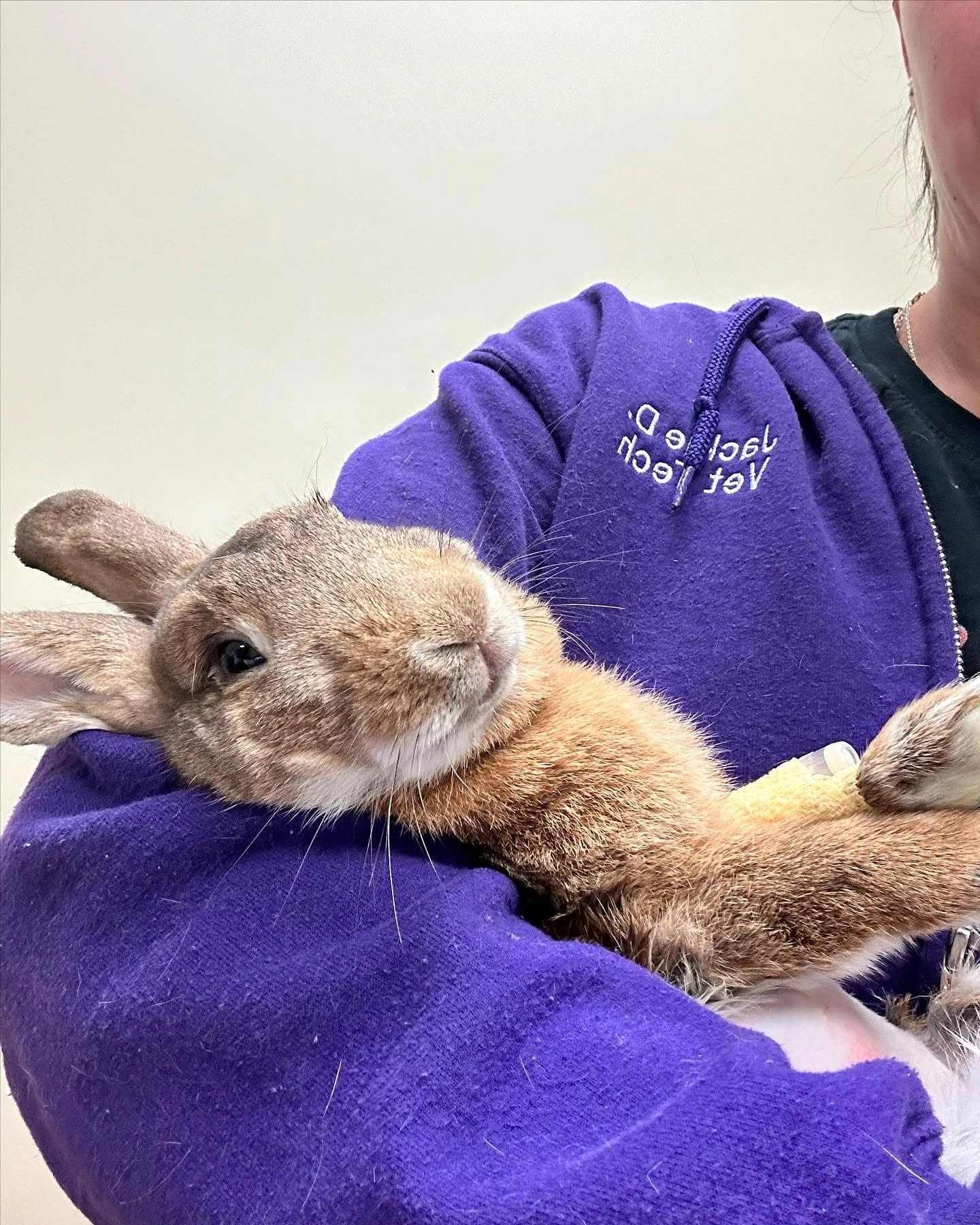
Rabbits are intelligent, social pets that can live long and healthy lives with the right care. However, many rabbit owners are surprised to learn that rabbits require specialized veterinary attention. Unlike dogs and cats, rabbits have unique anatomy, digestion, and dental needs that require care from an experienced exotic animal vet.
For rabbit owners in Concord, MA and nearby towns such as Acton, Carlisle, Bedford, Sudbury, and Lincoln, finding an experienced exotic pet vet in Concord MA is an important part of responsible pet ownership.
At West Concord Animal Clinic, our veterinary team provides care for rabbits and other small mammals. With guidance from an experienced exotic pet veterinarian, rabbit owners can better understand how to prevent common health problems and recognize early warning signs of illness.
Why Rabbits Need an Exotic Pet Veterinarian
Rabbits are considered exotic pets because their medical care differs significantly from that of dogs and cats. Their digestive systems, teeth, and stress responses require specialized knowledge.
An exotic animal vet understands how to safely examine, diagnose, and treat rabbits. For example, rabbits cannot vomit and their digestive systems are extremely sensitive. Even small health problems can quickly become serious if not addressed early.
Routine care with our team helps ensure your rabbit receives appropriate preventive care, nutritional guidance, and health monitoring.
At West Concord Animal Clinic, rabbit owners can schedule routine visits just like other pets, including a pet wellness exam to evaluate overall health.
The Importance of Routine Rabbit Wellness Exams
Many rabbit health issues develop gradually and may be difficult for owners to detect at home. Rabbits are prey animals, which means they often hide signs of illness until the condition becomes advanced.
Regular wellness exams allow veterinarians to monitor:
- Weight and body condition
- Teeth alignment and dental health
- Digestive health
- Skin and fur condition
- Signs of parasites or infection
Annual wellness exams are recommended for most adult rabbits, while senior rabbits may benefit from more frequent visits.
These visits also give owners an opportunity to ask questions about diet, housing, and behavior.
Rabbit Dental Health Is Extremely Important
One of the most common health problems in rabbits involves their teeth. Unlike dogs and cats, rabbit teeth grow continuously throughout their lives.
If the teeth do not wear down properly, they can become overgrown and cause painful dental disease.
Signs of dental problems in rabbits include:
- Drooling or wet fur around the mouth
- Difficulty chewing or dropping food
- Reduced appetite
- Weight loss
- Swelling along the jaw
Early detection is important because untreated dental disease can lead to infections and severe discomfort.
Veterinary dental care is an important part of overall rabbit health. At West Concord Animal Clinic, dental evaluations are often included during wellness exams, and treatment may include corrective trimming or advanced care when needed.
Proper Diet Is Key to Rabbit Health
Diet plays a major role in preventing many rabbit health problems.
A healthy rabbit diet typically includes:
- Unlimited hay (such as timothy hay)
- Fresh leafy greens
- Limited rabbit pellets
- Fresh water available at all times
Hay is especially important because it helps maintain proper digestion and naturally wears down the rabbit’s teeth.
Avoid feeding rabbits large amounts of sugary fruits, processed treats, or high-carbohydrate foods. These foods can disrupt digestion and contribute to dental disease.
If you are unsure about your rabbit’s diet, an exotic pet veterinarian can help create a balanced feeding plan.
Common Health Problems in Rabbits
Rabbit owners should be aware of several common health conditions that may require veterinary care.
Some of the most frequently seen issues include:
Gastrointestinal Stasis
Gastrointestinal stasis occurs when the digestive system slows or stops moving normally. This condition can become life-threatening if not treated quickly.
Signs may include:
- Reduced appetite
- Small or absent droppings
- Lethargy
- Abdominal discomfort
Immediate veterinary care is essential if these symptoms occur.
Dental Disease
As mentioned earlier, rabbit teeth grow continuously. Improper wear can cause painful dental abnormalities that interfere with eating.
Routine dental checks and proper diet help prevent these problems.
Respiratory Infections
Rabbits can develop respiratory infections that cause:
- Sneezing
- Nasal discharge
- Difficulty breathing
- Reduced activity
These infections should be evaluated by an exotic animal vet.
Parasites
Rabbits may develop external parasites such as mites, which can cause itching, hair loss, or skin irritation.
Your veterinarian can recommend safe treatments if parasites are detected.
Creating a Healthy Home Environment for Your Rabbit
Preventive care does not stop at veterinary visits. A healthy home environment is also important for rabbit wellness.
Helpful tips include:
- Provide a spacious enclosure that allows room to move and exercise
- Use safe bedding materials that do not produce excessive dust
- Maintain clean food and water dishes
- Provide chew toys to support dental health
- Allow supervised exercise outside the enclosure
Rabbits are active and curious animals that benefit from both physical and mental stimulation.
Why Choosing the Right Rabbit Veterinarian Matters
Not every veterinary clinic has experience treating rabbits and other exotic pets. Because rabbits have unique medical needs, it is important to work with a veterinary team familiar with exotic species.
At West Concord Animal Clinic, our veterinarians provide care for a variety of animals, including rabbits and other small mammals. Our team works with pet owners in Concord, MA and surrounding towns such as Acton, Carlisle, Bedford, and Sudbury to provide compassionate and knowledgeable care.
Whether your rabbit needs a routine pet wellness exam, nutritional guidance, or treatment for illness, our team is here to help.
Frequently Asked Questions About Rabbit Veterinary Care
Do rabbits need regular veterinary visits?
Yes. Rabbits benefit from annual wellness exams to monitor dental health, digestion, and overall condition.
How can I tell if my rabbit is sick?
Rabbits often hide illness. Signs to watch for include reduced appetite, smaller droppings, lethargy, drooling, or changes in behavior.
Do rabbits need vaccinations?
Unlike dogs and cats, routine pet vaccinations are not commonly required for rabbits in the United States. Your veterinarian can discuss whether any preventive care is recommended based on your rabbit’s lifestyle.
How long do rabbits live?
Many pet rabbits live between 8 and 12 years with proper diet, housing, and veterinary care.
What should rabbits eat every day?
A rabbit’s daily diet should consist primarily of hay, supplemented with fresh greens and a small amount of pellets.
When to Schedule a Visit with a Veterinarian
If your rabbit stops eating, appears lethargic, drools excessively, or shows changes in behavior, it is important to seek veterinary care quickly. Rabbits can deteriorate rapidly when health problems occur.
Regular wellness visits also help prevent common issues and allow early detection of health concerns.
For rabbit owners in Concord, MA and nearby communities such as Acton, Carlisle, Bedford, Sudbury, and Lincoln, West Concord Animal Clinic provides compassionate care for rabbits and other small mammals. Our experienced exotic pet veterinarian can evaluate your rabbit’s health and help create a long-term care plan.
If you are looking for an experienced exotic pet vet in Concord MA, contact West Concord Animal Clinic to schedule an appointment and ensure your rabbit receives the specialized care they deserve.