Summer means road trips, family vacations, and holiday getaways—and for many pet owners in Concord, Carlisle, Acton, and surrounding communities, that means bringing their dog, cat, or other companion along for the journey. Whether you’re heading to the Cape, crossing state lines, or boarding an international flight, proper preparation is the key to a safe and comfortable trip for your pet. At West Concord Animal Clinic, Dr. Jennifer Schickler, Dr. Catherine Cole, and Dr. Michael Avery offer pre-travel veterinary guidance to help every trip go smoothly.
Start With a Pre-Travel Wellness Exam
Before any trip, we recommend scheduling a pre-travel wellness exam at West Concord Animal Clinic. This visit allows us to confirm that your pet is healthy enough to travel, update any needed vaccines, review or prescribe parasite preventives appropriate for your destination, and address any health concerns before they become problems on the road. It’s also the ideal time to discuss whether travel anxiety medications might be appropriate for your pet.
Health Certificates for Interstate and International Travel
Many states and all international destinations require an official health certificate for traveling pets—sometimes called a Certificate of Veterinary Inspection (CVI). This document, signed by an accredited veterinarian, confirms that your pet is in good health and current on required vaccines, particularly rabies.
For international travel, requirements vary significantly by destination and may include microchipping, specific vaccine timing requirements, parasite treatments, and USDA-endorsed documentation. The process can take several weeks or months, so plan well ahead. West Concord Animal Clinic provides health certificate services for both domestic and international travel. Call us at 978-949-8854 as soon as your travel dates are confirmed so we can ensure all documentation is completed in time.
Car Travel Safety Tips
Road trips are the most common form of pet travel, but unrestrained pets in moving vehicles are a safety risk for everyone in the car. A dog that moves freely in the vehicle can distract the driver or become a dangerous projectile in a sudden stop. We recommend:
- Secured carrier or seatbelt harness: Use a crash-tested carrier secured with a seatbelt, or a vehicle-rated harness. Standard harnesses that attach to seatbelts vary widely in actual crash protection.
- Acclimate before the trip: Practice car rides before a long journey to help anxious pets become more comfortable.
- Never leave pets in a parked car: Temperatures inside a parked vehicle can become life-threatening within minutes, even on mild days.
- Bring familiar items: A favorite blanket, toy, or bedding can reduce stress and provide comfort in unfamiliar environments.
- Plan rest stops: Dogs need regular opportunities to walk, stretch, eliminate, and drink water. Plan stops every 2–3 hours.
Flying With Your Pet: What to Know Before You Book
Airlines have varying rules for pet travel—some allow small pets in the cabin in approved soft-sided carriers, while others require larger pets to travel as checked baggage or cargo. Rules change frequently, and some breeds (particularly brachycephalic or “flat-faced” breeds like Bulldogs, Pugs, and Persian cats) may be restricted due to breathing concerns at altitude.
Contact your airline well in advance to understand their specific requirements. We can help you prepare the necessary health certificate and advise on whether your individual pet is a good candidate for air travel based on their health status and temperament.
Managing Travel Anxiety and Exotic Pet Travel
Many dogs and cats experience significant stress during travel. Signs include panting, drooling, vocalization, trembling, and vomiting. If your pet struggles with travel anxiety, speak with our team about anti-anxiety medications or calming supplements that may help. These should always be tested before the actual trip—not used for the first time on travel day.
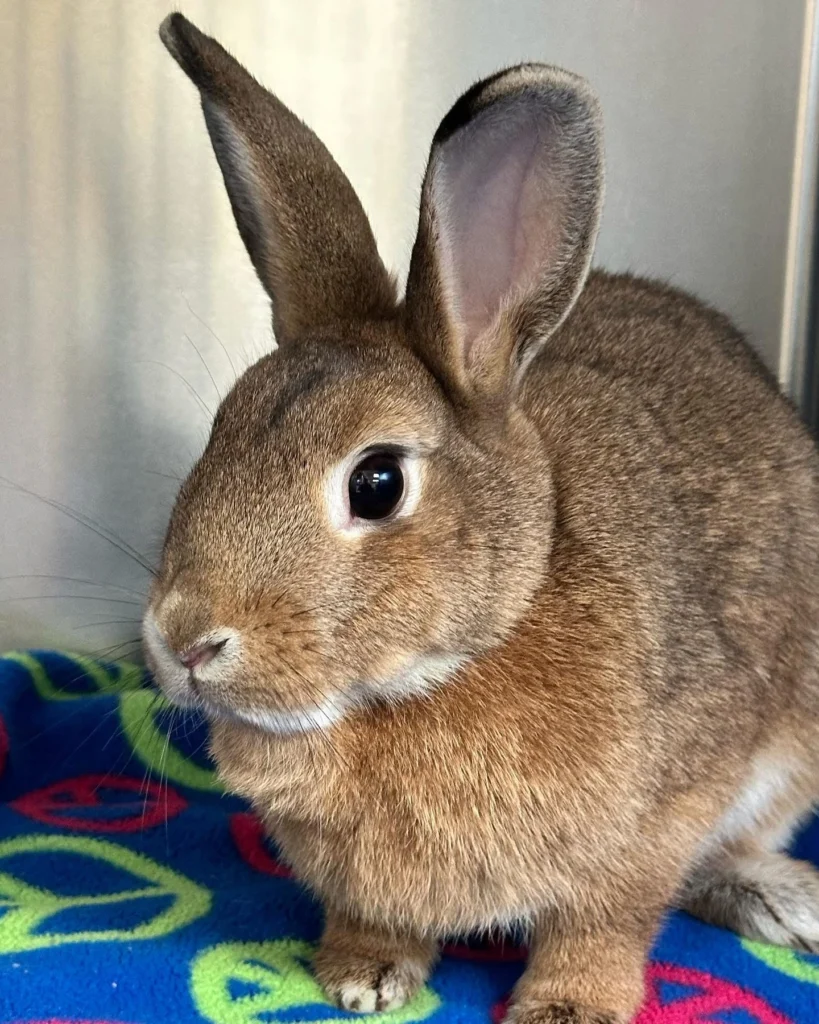
For exotic pets like rabbits, guinea pigs, birds, and reptiles, travel considerations are even more specialized. Temperature regulation, stress-induced illness, and dietary needs require additional planning. Dr. Avery, our exotic pet specialist, can provide species-specific travel guidance for your exotic companion before any trip.
Plan Ahead – Call West Concord Animal Clinic Before You Go
Don’t wait until the week before your departure to think about your pet’s travel needs. Give us a call at 978-949-8854, email us at info@westconcordanimalclinic.net, or stop in at 29 Domino Dr., Concord, MA 01742. Our team serves pet owners throughout Concord, Carlisle, Acton, Stow, Maynard, Lincoln, and the surrounding region, and we’re happy to help you prepare for a safe, stress-free trip with your animal companion.