
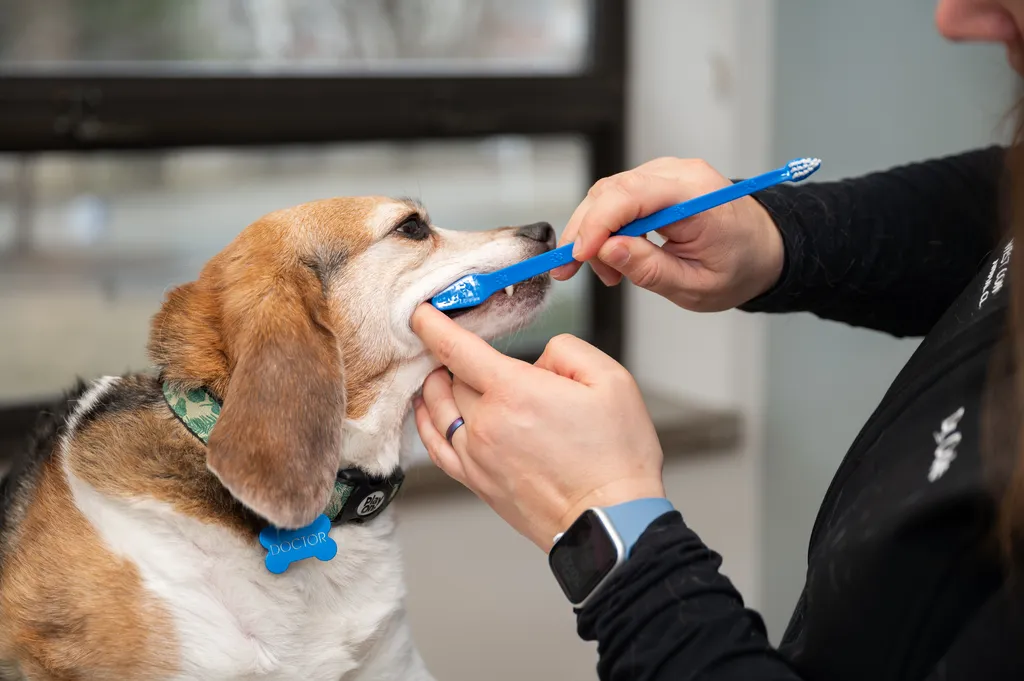
It’s easy to assume your pet’s teeth are fine—especially if they’re still eating normally and acting like themselves. But dental problems in pets often develop quietly, and by the time obvious symptoms appear, the disease may already be advanced.
At West Concord Animal Clinic in Concord, MA, we frequently see dogs and cats from Acton, Carlisle, Bedford, Sudbury, and Lincoln who need pet dental cleaning sooner than their owners expected. Recognizing the early signs of dental disease can make a big difference in your pet’s comfort, health, and long-term well-being.
Here’s what to watch for—and when it’s time to schedule a dental exam.
Why Dental Disease in Pets Is Often Missed
Dental disease in pets is extremely common, affecting most dogs and cats by age 3. The challenge is that pets are very good at hiding discomfort.
Unlike people, pets:
- Don’t show obvious signs of tooth pain
- Continue eating even with severe dental issues
- Mask symptoms until the condition worsens
That’s why regular exams and early detection are so important.
Early Warning Signs Your Pet May Need a Dental Exam
Some of the earliest signs are subtle—but important.
1. Bad Breath That Doesn’t Go Away
A little “dog breath” is normal—but persistent, foul odor is often the first sign of dental disease.
This can indicate:
- Bacterial buildup
- Gum infection
- Tooth decay
If your pet’s breath has noticeably worsened, it’s time to consider a dental check.
2. Yellow or Brown Buildup on Teeth
Take a quick look at your pet’s teeth. Do you see discoloration near the gumline?
This buildup is tartar, which:
- Cannot be removed with brushing alone
- Irritates the gums
- Leads to infection over time
A professional pet dental cleaning is needed to remove it safely.
3. Red, Swollen, or Bleeding Gums
Healthy gums should be pink—not red or inflamed.
Watch for:
- Redness along the gumline
- Bleeding when chewing or playing
- Sensitivity when touching the mouth
These are classic signs of dental disease in pets and should not be ignored.
4. Changes in Eating Habits
Even small changes in how your pet eats can signal dental discomfort.
Look for:
- Chewing on one side of the mouth
- Dropping food
- Eating more slowly
- Avoiding hard food or treats
Many pets continue eating despite pain, so these subtle changes matter.
5. Drooling More Than Usual
Excessive drooling—especially if it’s new—can indicate oral pain or infection.
You may also notice:
- Thick or stringy saliva
- Blood-tinged drool
These signs often point to more advanced dental issues.
6. Pawing at the Mouth or Face
If your pet is pawing at their mouth or rubbing their face on furniture, they may be trying to relieve discomfort.
This behavior can indicate:
- Tooth pain
- Gum irritation
- Something stuck in the mouth
A dental exam can help identify the cause.
7. Loose or Missing Teeth
Loose teeth are never normal in adult pets and often mean advanced periodontal disease.
At this stage, infection may already be affecting:
- The jawbone
- Surrounding tissues
- Overall health
Immediate veterinary dental care is essential.
8. Behavioral Changes
Dental pain can affect your pet’s mood and behavior.
You might notice:
- Irritability or aggression
- Reduced playfulness
- Withdrawal or hiding
These changes are easy to overlook but can be linked to chronic discomfort.
How Dental Disease Affects Overall Health
Dental problems don’t just stay in the mouth. Bacteria from infected gums can enter the bloodstream and affect major organs.
This can impact:
- Heart health
- Kidney function
- Liver health
That’s why dog teeth cleaning and routine dental exams are considered an essential part of preventive care—not just cosmetic treatment.
Which Pets Are at Higher Risk?
Some pets are more likely to develop dental disease and may need earlier or more frequent cleanings.
Higher-Risk Groups:
- Small breed dogs
- Senior pets
- Pets with crowded or misaligned teeth
- Cats prone to dental conditions
If your pet falls into one of these categories, your veterinarian may recommend more frequent dental evaluations.
What Happens During a Professional Dental Exam?
If your veterinarian recommends a dental exam, here’s what you can expect.
At West Concord Animal Clinic, a comprehensive dental visit may include:
- Full oral examination
- Dental X-rays (to check below the gumline)
- Scaling and polishing teeth
- Treatment of infected or damaged teeth
Dr. Cole’s special interest in veterinary dentistry ensures that your pet receives advanced, high-quality care tailored to their needs.
How to Prevent Dental Problems at Home
While professional care is essential, daily habits can help slow the progression of dental disease.
At-Home Care Tips:
- Brush your pet’s teeth regularly with pet-safe toothpaste
- Use veterinarian-recommended dental chews
- Provide appropriate chew toys
- Monitor your pet’s mouth for changes
Pairing home care with regular pet wellness exams and pet vaccinations helps keep your pet healthy overall.
What About Exotic Pets?
Dental issues aren’t limited to dogs and cats.
Rabbits, guinea pigs, and other small animals can develop serious dental problems due to continuously growing teeth. An experienced exotic pet veterinarian like Dr. Avery can evaluate and treat these unique conditions.
Common Questions About Pet Dental Health
How often does my pet need a dental cleaning?
Many pets benefit from annual cleanings, but it depends on their individual risk factors.
Can I skip dental care if my pet eats dry food?
No. Dry food alone does not prevent dental disease.
Is anesthesia safe for dental procedures?
Yes. Modern veterinary anesthesia is very safe when performed by trained professionals.
What happens if dental disease is left untreated?
It can lead to pain, tooth loss, and serious health complications affecting major organs.
Don’t Wait for Severe Symptoms
The most important takeaway? Don’t wait until your pet is clearly in pain.
Early signs of dental disease are easy to miss—but early treatment is much easier, less invasive, and more effective.
At West Concord Animal Clinic, we help pets across Concord, Acton, Carlisle, Bedford, Sudbury, and Lincoln stay healthy with proactive, preventive care.
When to Schedule a Visit with a Veterinarian
If you’ve noticed bad breath, tartar buildup, changes in eating, or any unusual behavior, it’s time to schedule a dental evaluation.
Routine pet dental cleaning and exams are one of the best ways to protect your pet’s comfort and overall health.
Contact West Concord Animal Clinic today to book an appointment with a trusted veterinarian in Concord, MA. Our team is here to provide expert veterinary dental care and keep your pet smiling for years to come.
FAQ: Pet Dental Exams
What is the earliest sign of dental disease in pets?
Bad breath is often the first noticeable symptom.
Can pets have dental pain without showing it?
Yes. Many pets hide discomfort until the disease is advanced.
How long does a dental cleaning take?
Most procedures take a few hours, including recovery time.
Do cats need dental cleanings too?
Absolutely. Cats commonly develop dental disease and benefit from regular care.