
Maintaining a healthy weight is one of the most important things you can do for your pet’s long-term health—and one of the most overlooked. In fact, many pet owners don’t realize their dog or cat is overweight until it begins affecting their mobility, energy, or overall well-being.
Whether you live in Concord, MA or nearby towns like Acton, Carlisle, Bedford, or Sudbury, keeping your pet at a healthy weight requires a combination of proper nutrition, regular exercise, and routine veterinary care. A yearly pet wellness exam plays a key role in catching weight changes early and keeping your pet on track.
Let’s explore how you can support your pet’s health with simple, practical steps.
Why a Healthy Weight Matters for Pets
Extra weight isn’t just about appearance—it directly impacts your pet’s quality of life and lifespan.
Overweight pets are at higher risk for:
- Arthritis and joint pain
- Diabetes
- Heart disease
- Breathing problems
- Reduced energy and mobility
- Shorter lifespan
Even a few extra pounds can make a big difference, especially for smaller breeds or cats.
At West Concord Animal Clinic, we often see pets who would benefit greatly from small weight adjustments—and those changes can dramatically improve comfort and longevity.
How to Tell If Your Pet Is Overweight
It’s not always easy to tell if your pet is carrying extra weight, especially if it happens gradually.
Signs your pet may be overweight:
- You can’t easily feel their ribs
- They have little to no visible waistline
- They tire easily during walks or play
- They are less active than before
- They have difficulty jumping or climbing
During a pet wellness exam, your veterinarian in Concord MA will assess your pet’s body condition score and help determine their ideal weight.
The Role of Pet Nutrition
Nutrition is the foundation of healthy weight management.
Tips for Better Pet Nutrition
- Measure meals carefully: Avoid guessing portion sizes
- Follow feeding guidelines: But adjust based on your pet’s needs
- Limit treats: Keep treats under 10% of daily calories
- Choose high-quality food: Look for balanced, complete diets
- Avoid table scraps: Human food can add hidden calories
If you’re unsure what or how much to feed, your veterinarian can provide personalized recommendations during your pet’s pet wellness exam.
For pets in Concord and surrounding areas, lifestyle factors—like limited outdoor activity during colder months—can also affect calorie needs.
Exercise: Keeping Pets Active and Engaged
Just like people, pets need regular physical activity to stay fit.
For Dogs:
- Daily walks (adjusted for age and breed)
- Playtime in the yard or park
- Interactive games like fetch or tug
- Training exercises for mental stimulation
For Cats:
- Interactive toys (laser pointers, feather wands)
- Climbing trees or shelves
- Puzzle feeders
- Short, frequent play sessions
Even small increases in activity can lead to meaningful improvements in weight and overall health.
Portion Control and Feeding Habits
Many pets gain weight simply because they’re eating too much—even if the food itself is healthy.
Common Feeding Mistakes:
- Free-feeding (leaving food out all day)
- Multiple family members feeding extra meals or treats
- Not adjusting portions as pets age
- Over-reliance on high-calorie treats
Better Feeding Practices:
- Stick to a consistent feeding schedule
- Use measuring cups or a kitchen scale
- Track treats and snacks
- Communicate with all family members about feeding rules
These simple changes can prevent gradual weight gain over time.
Don’t Forget About Dental Health
Dental health may not seem directly related to weight, but it plays an important role in your pet’s overall wellness.
Pets with dental disease may:
- Avoid eating due to pain
- Prefer softer, often higher-calorie foods
- Experience inflammation that affects overall health
At West Concord Animal Clinic, we emphasize veterinary dental care as part of a complete wellness plan. Routine pet dental cleaning helps keep your pet comfortable and able to maintain healthy eating habits.
Dr. Cole’s expertise in veterinary dentistry ensures your pet receives advanced, high-quality care.
Weight Changes Can Signal Underlying Health Issues
Not all weight gain (or loss) is simply about diet or exercise.
Contact your veterinarian if you notice:
- Sudden weight gain or loss
- Increased thirst or urination
- Changes in appetite
- Lethargy or weakness
These can be signs of conditions like thyroid disease, diabetes, or other medical concerns.
A pet wellness exam allows your veterinarian to run diagnostics and catch these issues early.
Special Considerations for Different Pets
Puppies and Kittens
- Require more calories for growth—but still need balanced portions
- Overfeeding early can lead to lifelong weight issues
Adult Pets
- Need consistent diet and exercise routines
- Weight tends to creep up with age and lifestyle changes
Senior Pets
- May need fewer calories but more nutritional support
- Exercise should be gentle and adjusted for mobility
Exotic Pets
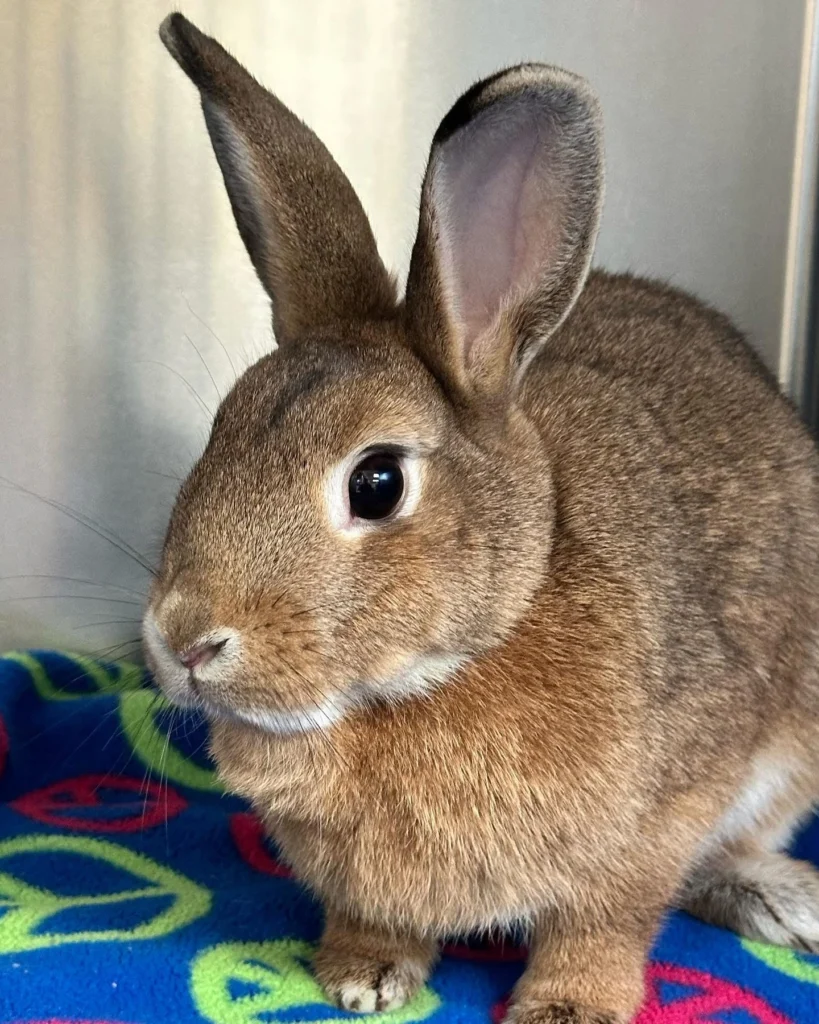
If you have a rabbit, bird, or reptile, working with an exotic pet veterinarian like Dr. Avery is essential. Weight management and pet nutrition for exotic species are highly specialized.
Common Questions About Pet Weight Management
How quickly should my pet lose weight?
Slow and steady is best. Rapid weight loss can be dangerous, especially for cats.
Can I just feed less food?
Sometimes—but it’s important to ensure your pet still gets proper nutrition. Your veterinarian can guide safe adjustments.
Are “diet” pet foods necessary?
In some cases, yes. Prescription or weight-control diets can help pets lose weight safely.
How often should my pet be weighed?
At least annually during a pet wellness exam, but more frequently if they are on a weight loss plan.
Do indoor pets need less food?
Often, yes. Indoor pets typically burn fewer calories and need portion adjustments.
Supporting Healthy Pets in Concord, MA
Helping your pet maintain a healthy weight doesn’t have to be complicated. With consistent habits, proper pet nutrition, and guidance from a trusted veterinarian in Concord MA, you can make a lasting impact on your pet’s health.
At West Concord Animal Clinic, we work closely with pet owners in Concord and surrounding communities like Acton, Carlisle, Bedford, and Sudbury to create personalized wellness plans that fit each pet’s needs.
When to Schedule a Visit with a Veterinarian
If you’re concerned about your pet’s weight—or simply want to stay proactive—now is the perfect time to schedule a visit.
You should contact a veterinarian in Concord MA if:
- Your pet hasn’t had a recent pet wellness exam
- You’ve noticed weight gain or loss
- You need guidance on pet nutrition
- Your pet is less active or showing signs of discomfort
- You want to ensure your pet is on the right diet and exercise plan
The team at West Concord Animal Clinic is here to help your pet live a healthier, happier life.
Schedule your pet’s wellness visit today and take the first step toward better health.