Upset stomachs happen—but when your pet has vomiting, diarrhea, or loss of appetite, it can be stressful and confusing to know what’s normal and what’s serious.
Digestive issues are one of the most common reasons pet owners visit a veterinarian in Concord MA. While some problems resolve quickly, others can signal underlying concerns that require prompt attention.
For pet owners in Concord, MA and nearby towns like Acton, Carlisle, Bedford, Sudbury, and Lincoln, understanding the causes, symptoms, and warning signs of pet digestive issues can help you take the right steps to protect your pet’s health.
Why Digestive Health Matters
Your pet’s digestive system plays a critical role in overall health. It’s responsible for:
- Breaking down food and absorbing nutrients
- Supporting the immune system
- Eliminating waste
When something goes wrong, it can affect energy levels, hydration, and even long-term organ function.
Digestive problems can range from mild (like a temporary upset stomach) to serious conditions requiring immediate care at an animal hospital.
Common Digestive Problems in Pets
Here are the most frequent digestive issues seen in dogs and cats.
1. Dietary Indiscretion (“Eating Something They Shouldn’t”)
Dogs especially are known for eating things they shouldn’t—trash, table scraps, or foreign objects.
Symptoms:
- Vomiting
- Diarrhea
- Decreased appetite
- Lethargy
In some cases, foreign objects can cause blockages, which may require surgery.
2. Gastroenteritis (Stomach and Intestinal Inflammation)
This is one of the most common causes of vomiting and diarrhea.
Causes:
- Sudden diet changes
- Bacterial or viral infections
- Stress
Symptoms:
- Vomiting
- Diarrhea (sometimes with blood)
- Dehydration
- Loss of appetite
Most mild cases resolve quickly, but persistent symptoms should be evaluated by a vet near me.
3. Food Allergies or Sensitivities
Some pets develop sensitivities to certain ingredients.
Signs include:
- Chronic diarrhea
- Vomiting
- Gas or bloating
- Itchy skin (often occurs alongside digestive issues)
Your veterinarian may recommend a special diet trial to identify the cause.
4. Parasites
Intestinal parasites are especially common in puppies and kittens but can affect pets of any age.
Common parasites:
- Roundworms
- Hookworms
- Giardia
Symptoms:
- Diarrhea
- Weight loss
- Pot-bellied appearance (in young pets)
- Visible worms in stool (sometimes)
Routine fecal testing during a pet wellness exam helps detect and treat parasites early.
5. Pancreatitis
Pancreatitis is inflammation of the pancreas and can be serious.
Risk factors:
- High-fat diets
- Obesity
- Certain medications
Symptoms:
- Vomiting
- Abdominal pain
- Lethargy
- Loss of appetite
This condition often requires medical treatment and monitoring.
6. Constipation
While less obvious than diarrhea, constipation can also indicate a digestive issue.
Signs:
- Straining to defecate
- Hard, dry stools
- Decreased appetite
In some cases, constipation can be related to dehydration, diet, or underlying illness.
Warning Signs You Shouldn’t Ignore
Some digestive symptoms require immediate attention.
Contact a veterinarian right away if your pet has:
- Repeated vomiting or diarrhea lasting more than 24 hours
- Blood in vomit or stool
- Signs of dehydration (dry gums, lethargy)
- Abdominal pain (whining, restlessness, hunched posture)
- Inability to keep food or water down
These may indicate a more serious condition that needs prompt care from a veterinarian in Concord MA.
What You Can Do at Home
For mild digestive upset, there are a few steps you can take while monitoring your pet closely.
Try these tips:
- Offer small amounts of water frequently
- Temporarily switch to a bland diet (as recommended by your vet)
- Avoid giving new treats or table scraps
- Monitor stool and behavior
If symptoms don’t improve within 24 hours—or worsen—contact your vet near me.
Preventing Digestive Problems
While not all issues can be prevented, many can be avoided with good care.
Prevention tips:
- Avoid sudden diet changes
- Keep trash and harmful items out of reach
- Maintain regular parasite prevention
- Schedule routine pet wellness exams
- Stay up to date on pet vaccinations, which protect against certain infections
Good preventive care also includes monitoring dental health. Poor oral health can affect digestion, which is why veterinary dental care and routine pet dental cleaning are important parts of your pet’s overall wellness.
Digestive Health in Exotic Pets
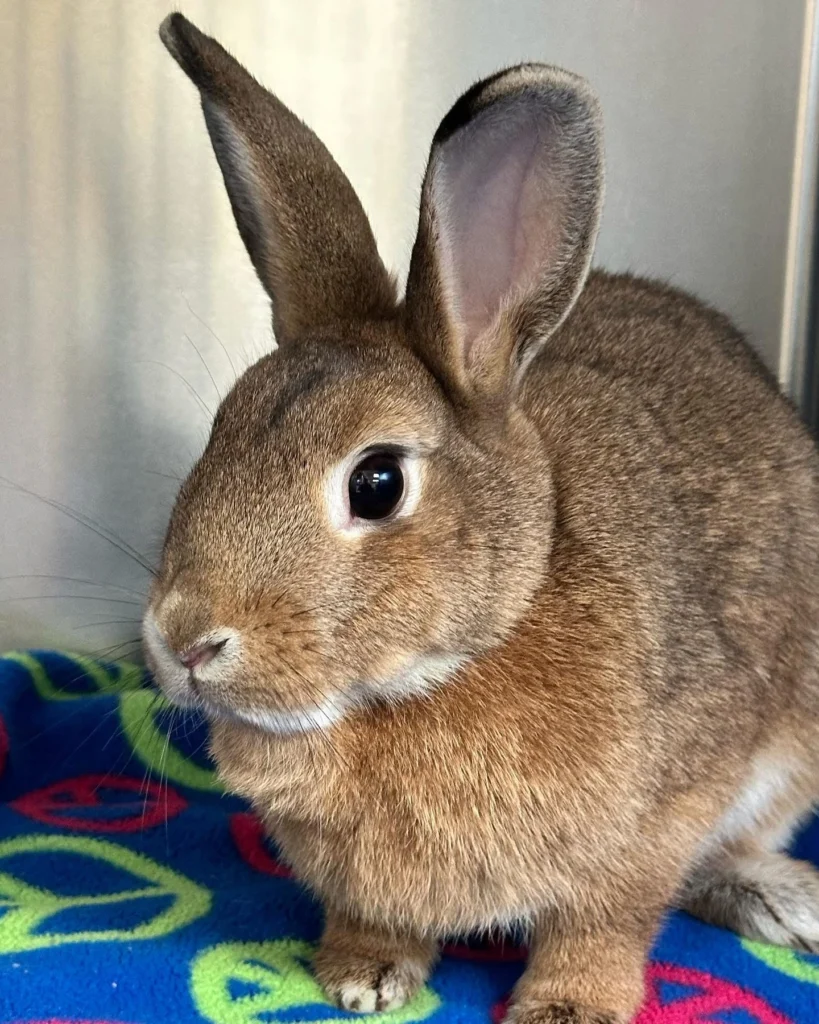
Small animals like guinea pigs and rabbits have especially sensitive digestive systems.
Common issues in exotic pets:
- GI stasis (a life-threatening slowdown of digestion)
- Dietary imbalances
- Stress-related digestive changes
If you have an exotic pet, working with an experienced exotic pet veterinarian, like Dr. Avery at West Concord Animal Clinic, is essential.
Common Questions About Pet Digestive Issues
Is vomiting always serious?
Not always. A single episode may not be concerning, but repeated vomiting should be evaluated.
Can I give my pet human medications?
No. Many human medications are unsafe for pets. Always consult your veterinarian first.
How long should diarrhea last before I call a vet?
If it lasts more than 24 hours—or if your pet seems unwell—contact your veterinarian.
What causes sudden digestive upset?
Common causes include dietary changes, stress, infections, or eating something inappropriate.
Do indoor pets get parasites?
Yes. Parasites can be brought indoors on shoes, other pets, or contaminated surfaces.
Local Veterinary Care You Can Trust
Digestive issues can be uncomfortable—and sometimes serious—but with the right care, most pets recover quickly.
At West Concord Animal Clinic, we proudly serve pets in Concord, MA and surrounding areas like Acton, Carlisle, Bedford, Sudbury, and Lincoln. From diagnosing digestive conditions to providing ongoing support, our team is here to help your pet feel their best.
When to Schedule a Visit with a Veterinarian
If your pet is experiencing digestive symptoms, it’s always better to be cautious.
You should schedule an appointment if:
- Vomiting or diarrhea lasts more than 24 hours
- Your pet has decreased appetite or energy
- You notice blood in stool or vomit
- Your pet is due for a pet wellness exam
Contact West Concord Animal Clinic, your trusted veterinarian in Concord MA, to schedule an evaluation. Prompt care can prevent complications and get your pet back to feeling normal as quickly as possible.