
Hearing that your pet needs a tooth extraction can feel overwhelming. Many pet owners worry about pain, anesthesia, and whether the procedure is really necessary. But in reality, tooth extractions are often the best way to relieve pain and protect your pet’s overall health.
At West Concord Animal Clinic in Concord, MA, we guide pet owners from Acton, Carlisle, Bedford, Sudbury, and Lincoln through dental procedures every day. Understanding what happens during a tooth extraction can help you feel more confident and prepared.
Let’s walk through the process step-by-step—and explain why extractions are sometimes an essential part of pet dental cleaning and care.
Why Do Pets Need Tooth Extractions?
Tooth extractions are typically recommended when a tooth is too damaged or infected to be saved.
Common Reasons Include:
- Advanced dental disease in pets
- Broken or fractured teeth
- Severe infection or abscess
- Loose teeth due to periodontal disease
- Painful conditions that affect eating
While saving a tooth is always the goal, removing a diseased tooth often relieves pain quickly and prevents infection from spreading.
How Pet Dental Cleaning Leads to Extractions
Many extractions are discovered during a routine pet dental cleaning.
Here’s why:
- Tartar above the gumline is visible, but disease below the gumline is hidden
- Dental X-rays reveal damage that can’t be seen during a basic exam
- Some teeth look normal on the surface but are infected underneath
That’s why professional veterinary dental care is so important—it allows veterinarians to fully assess your pet’s oral health.
Step-by-Step: What Happens During a Tooth Extraction
Knowing what to expect can ease anxiety. Here’s how the process typically works at a veterinary hospital like West Concord Animal Clinic.
1. Pre-Anesthetic Evaluation
Before the procedure, your pet will undergo a thorough evaluation.
This may include:
- Physical exam
- Bloodwork to check organ function
- Review of medical history
These steps help ensure your pet can safely undergo anesthesia.
2. Anesthesia and Monitoring
Tooth extractions require general anesthesia so your pet:
- Feels no pain
- Remains completely still
- Has a safe, controlled procedure
During anesthesia, your pet is closely monitored, including:
- Heart rate
- Oxygen levels
- Blood pressure
- Temperature
Modern veterinary anesthesia is very safe, especially with trained staff and monitoring equipment.
3. Full Dental Examination and X-Rays
Once your pet is asleep, the veterinary team performs a detailed dental exam.
This includes:
- Inspecting every tooth
- Taking dental X-rays
- Identifying hidden disease
This step ensures that all affected teeth are addressed during the procedure.
4. The Tooth Extraction Procedure
The extraction itself is performed carefully and precisely.
Depending on the tooth, your veterinarian may:
- Use specialized tools to loosen the tooth
- Surgically open the gum tissue for better access
- Remove the tooth in sections (for complex cases)
After removal:
- The area is cleaned thoroughly
- The gums are sutured (closed with stitches)
The goal is to promote healing and minimize discomfort.
5. Pain Management and Recovery
Your pet’s comfort is a top priority.
After the procedure:
- Pain medications are administered
- Anti-inflammatory medications may be prescribed
- Antibiotics may be given if infection was present
Most pets recover quickly and feel better within days—often more comfortable than before the procedure.
What to Expect at Home After a Tooth Extraction
Once your pet returns home, a little extra care helps ensure smooth healing.
Post-Procedure Care:
- Feed soft food for several days
- Avoid hard toys or chews
- Give medications as prescribed
- Monitor the extraction site for swelling or discharge
Watch for These Signs:
- Excessive bleeding
- Refusal to eat after 24 hours
- Swelling or signs of pain
If you notice any concerns, contact your veterinarian in Concord MA right away.
Will My Pet Be Okay Without the Tooth?
This is one of the most common concerns—and the answer is almost always yes.
Pets adapt very well after tooth extractions.
In fact:
- Removing a painful tooth improves quality of life
- Most pets eat normally after healing
- Many owners notice increased energy and appetite
Relieving chronic dental pain can make a dramatic difference.
How to Prevent Future Extractions
While some dental issues are unavoidable, many can be prevented with consistent care.
Preventive Steps:
- Schedule regular pet dental cleaning appointments
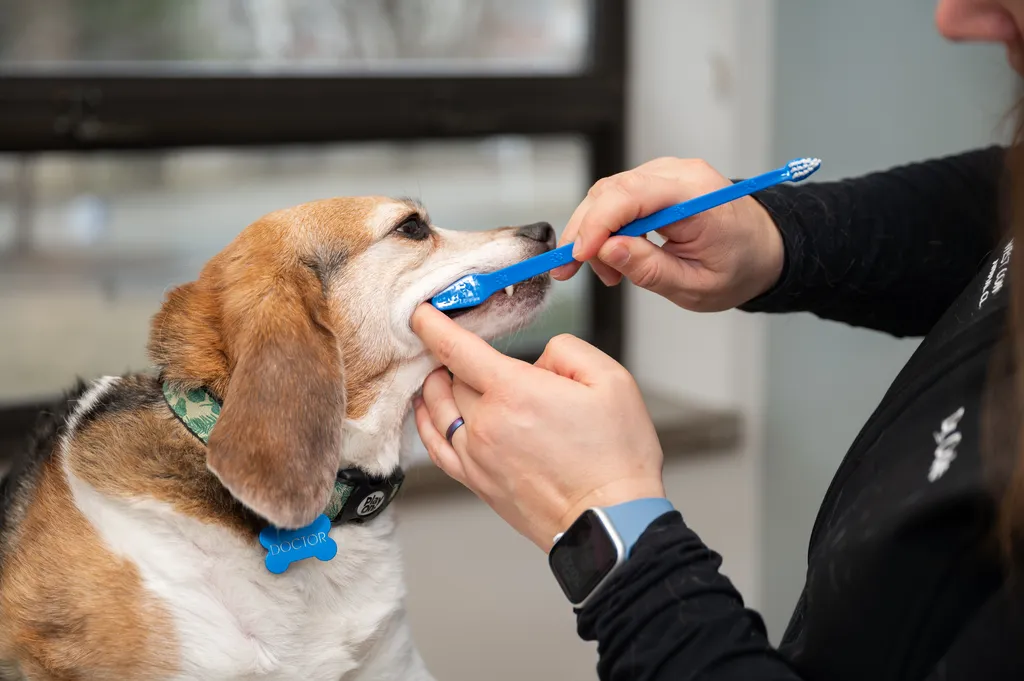
- Brush your pet’s teeth at home
- Use veterinarian-approved dental products
- Attend routine pet wellness exams
Preventive care reduces the risk of advanced disease and the need for extractions.
What About Exotic Pets?
Dental issues also affect rabbits, guinea pigs, and other small animals.
Because their teeth grow continuously, problems can develop quickly. An experienced exotic pet veterinarian like Dr. Avery can diagnose and treat dental conditions specific to these species.
Common Questions About Pet Tooth Extractions
Is a tooth extraction painful for my pet?
The procedure itself is not painful due to anesthesia, and pain is carefully managed afterward.
How long does recovery take?
Most pets recover within 7–14 days, with noticeable improvement in comfort within a few days.
Are extractions always necessary?
Only when the tooth cannot be saved. Your veterinarian will always discuss options with you.
Is anesthesia safe?
Yes. With proper screening and monitoring, anesthesia is very safe for most pets.
The Role of Dental Care in Overall Health
Tooth extractions may sound intimidating, but they are often part of essential veterinary dental care that protects your pet’s overall health.
Untreated dental infections can affect:
- Heart health
- Kidneys
- Liver
That’s why proactive care—including dog teeth cleaning, exams, and early treatment—is so important.
At West Concord Animal Clinic, we provide advanced dental care to help pets across Concord and surrounding towns stay healthy and pain-free.
When to Schedule a Visit with a Veterinarian
If your pet has bad breath, visible tartar, trouble eating, or hasn’t had a dental exam in the past year, it may be time to take action.
Tooth extractions are often preventable with early care—but when needed, they can dramatically improve your pet’s comfort and health.
Contact West Concord Animal Clinic today to schedule a dental evaluation or pet dental cleaning with a trusted veterinarian in Concord MA. Our team is here to guide you every step of the way.
FAQ: Pet Tooth Extractions
How do I know if my pet needs a tooth extracted?
Your veterinarian will determine this based on exam findings and dental X-rays.
Can my pet eat normally after an extraction?
Yes, after healing, most pets return to normal eating habits.
How long does the procedure take?
It varies, but most dental procedures take 1–3 hours.
Are stitches used after extraction?
Yes, sutures are typically placed to help the gums heal properly.